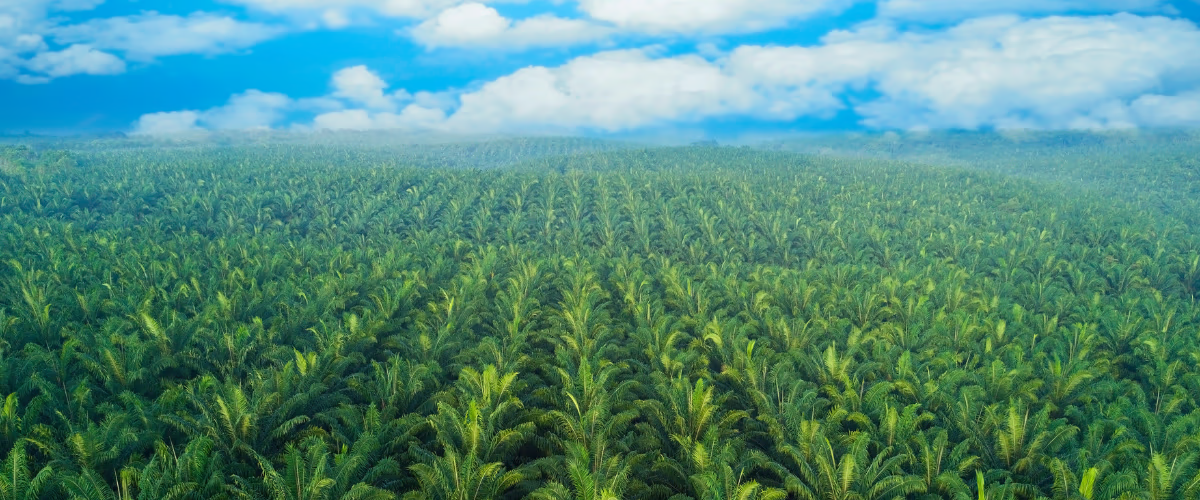

Global demand for renewable energy continues to grow, making Japan one of Asia’s promising markets with stringent sustainability requirements. Through its Feed-in Tariff (FIT) scheme, Japan provides incentives for power generation using renewable energy sources, including eligible biomass.
For international biomass and bioenergy exporters, the Japanese market offers significant business opportunities. However, entering this market requires companies to meet sustainability, supply chain traceability, and greenhouse gas (GHG) emission calculation requirements.
This is where ISCC Japan FIT Certification plays an important role. This certification helps companies demonstrate that their supplied biomass materials meet the applicable sustainability requirements under Japan’s FIT system.
With CBQA Global, companies can receive certification support to prepare for the ISCC Japan FIT certification process professionally and in accordance with the applicable scheme requirements.
What Is ISCC Japan FIT?
ISCC Japan FIT is a sustainability certification scheme developed by the International Sustainability and Carbon Certification (ISCC). The scheme is recognized by Japan’s Ministry of Economy, Trade and Industry (METI) for the procurement of biomass fuels that meet the requirements of the Japan Feed-in Tariff (FIT) system.
Japan’s FIT program provides incentives to support electricity generation from renewable energy sources, including biomass that meets the established criteria. Through this certification, companies can demonstrate compliance with sustainability, traceability, and greenhouse gas (GHG) emission requirements for biomass materials supplied to the Japanese market.
To meet the requirements of ISCC Japan FIT, biomass materials used for energy production in Japan must meet several key requirements:
- Sustainability Compliance: Materials must meet the applicable sustainability criteria, including requirements related to deforestation and land use.
- Supply Chain Traceability: Every stage of the supply chain must be traceable, from the material source to processing and trading activities.
- Greenhouse Gas (GHG) Emission Calculations: GHG emissions must be calculated in accordance with the ISCC Japan FIT scheme requirements.
In addition, biomass materials eligible under this scheme must be included in the list of materials recognized for biomass-based electricity generation under METI requirements. Every stage of the supply chain, from farms and plantations to the point of origin, processing units, and traders, must comply with the applicable ISCC Principles and Criteria (P&Cs).
For the Chain of Custody system, ISCC Japan FIT requires the implementation of the Physical Segregation model. This model ensures that certified biomass materials remain physically separated and clearly identifiable throughout the supply chain.
Through this certification, exporters can demonstrate that their biomass products meet the applicable sustainability requirements and conditions for entering Japan’s renewable energy market.
What Are the Benefits of Implementing ISCC Japan FIT Certification?
ISCC Japan FIT Certification was developed to support compliance with METI requirements for biomass materials used by power producers under Japan’s FIT scheme. Its implementation provides several benefits for companies involved in the biomass supply chain.
1. Market Access
Certification helps demonstrate that biomass materials meet the requirements of Japan’s FIT system. This creates opportunities for exporters to supply biomass materials to the Japanese market, which prioritizes sustainable energy sources.
2. Regulatory Compliance
Implementing this scheme helps companies meet Japan’s sustainability criteria, including requirements related to deforestation, supply chain traceability, and accurate greenhouse gas (GHG) emission calculations.
3. Enhanced Credibility
Holding ISCC Japan FIT Certification can strengthen a company’s credibility in international markets. It also demonstrates the company’s commitment to sustainability and environmental and social responsibility throughout the biomass supply chain.
Which Biomass Materials Are Eligible Under ISCC Japan FIT?
The scheme covers various biomass materials derived from agricultural products and their by-products, as listed among the eligible materials for biomass-based electricity generation in Japan.
Materials included in the scheme list are:
- Palm Kernel Shells (PKS)
- Palm Trunks
- Empty Fruit Bunches (EFB)
- Coconut Shells
- Cashew Nut Shells
- Walnut Shells
- Almond Shells
- Pistachio Shells
- Sunflower Seed Shells
- Corn Straw Pellets
- Bengkuang Seeds
- Sugar Cane Stems & Leaves
- Peanut Shells
- Cashew Nut Shell Liquid (CNSL)
Each material must meet the applicable sustainability criteria. These requirements include verification against the ISCC Principles and Criteria for relevant entities throughout the supply chain, from farms and plantations to the point of origin, processing units, and traders.
Companies must ensure that the materials intended for certification are included in the lists of materials recognized by METI and ISCC Japan FIT at the time of the certification process.
Read also: ISCC CORSIA: Certification Standard for Low-Emission Aviation Fuel
Who Needs ISCC Japan FIT Certification?
ISCC Japan FIT Certification is relevant to various stakeholders involved in the biomass supply chain who intend to supply materials to Japan’s energy market.
The following parties should pay attention to the certification requirements:
- Biomass Producers: Farmers and plantation owners producing eligible biomass materials.
- Collectors and Traders: Entities involved in the collection, handling, and trading of biomass materials.
- Processing Units: Facilities that process raw biomass into materials suitable for energy production.
- Exporters and Importers: Companies exporting biomass to Japan or importing it for domestic market requirements.
- Power Producers: Energy companies that use biomass for electricity generation under Japan’s FIT scheme.
Every party within the supply chain must ensure that its activities and materials comply with the applicable requirements. This is important for maintaining the integrity, traceability, and sustainability of biomass materials.
How Can CBQA Global Support Your ISCC Japan FIT Certification Process?
Understanding and meeting all ISCC Japan FIT requirements can be challenging for companies, particularly exporters seeking to enter Japan’s biomass market.
CBQA Global is an independent certification body that provides certification services to help companies navigate the certification process in accordance with the ISCC Japan FIT scheme requirements.
Amid the development of the renewable energy market, Japan’s FIT system offers opportunities for companies involved in biomass production, processing, and trading. Meeting certification requirements is an important step towards supporting regulatory compliance, improving market access, and strengthening business credibility.
With the support of a trusted certification body such as CBQA Global, companies can prepare for and undergo the certification process in a more structured manner, in accordance with the applicable scope and requirements.
To learn more about ISCC Japan FIT Certification services, contact CBQA Global:
Email: [email protected]
Marketing Email: [email protected]
WhatsApp: 08118468777
Phone: +62 21 2781 4200
CBQA Global. We Inspire in Trust.
Certification | Audit | Training | Sustainability