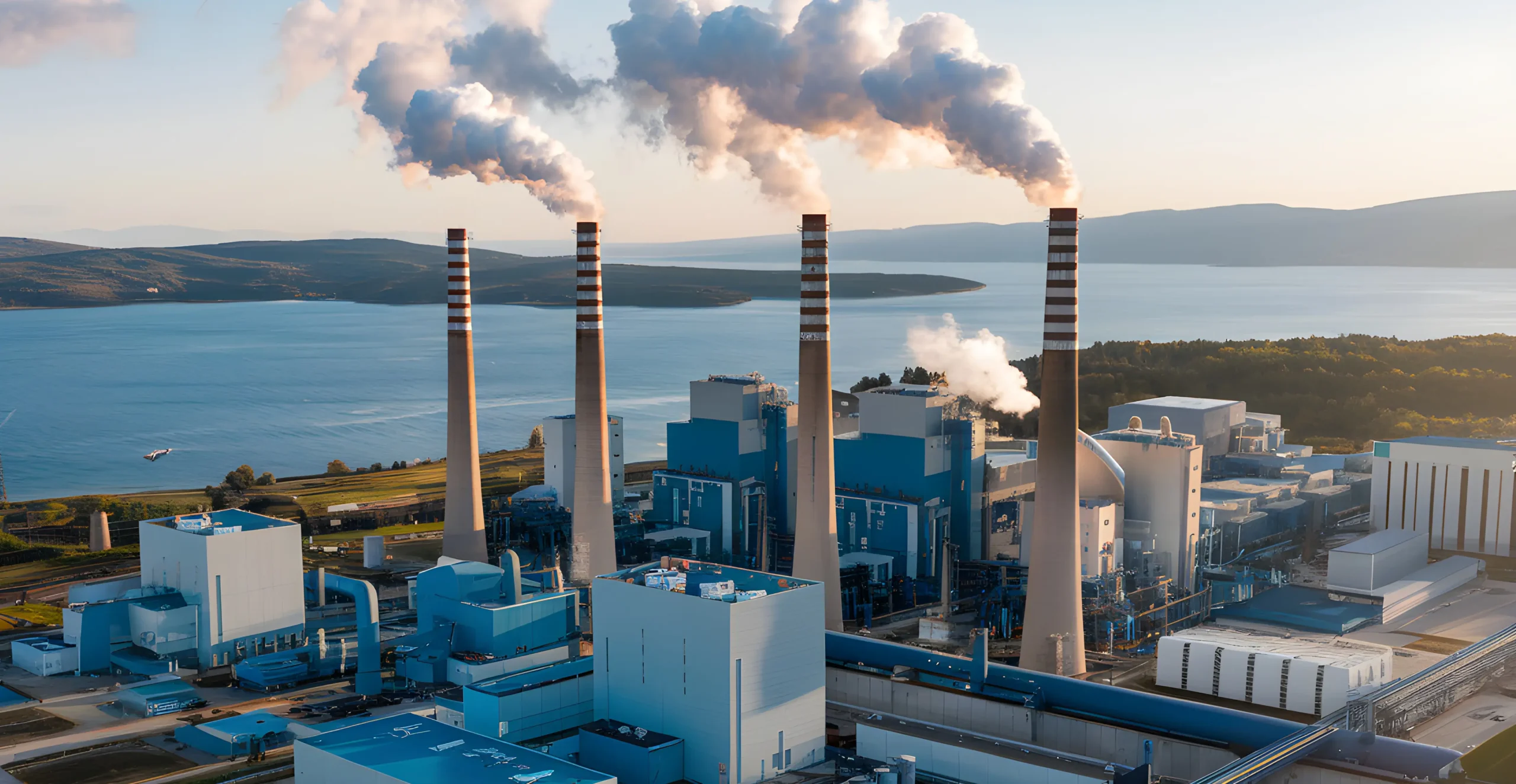

GHG verification for mining based on ISO 14064-1 helps mining companies improve the credibility of their emissions data. Mining operations rarely stop. Excavators remove overburden, haul trucks transport materials, and processing facilities continue to operate. All these activities generate greenhouse gas (GHG) emissions.
Today, investors, regulators, and buyers ask more than just, “How much do you emit?” They also want to know who verifies that the figures are accurate. Therefore, independent verification plays an important role in making emissions reporting more accountable.
From Standards to the Field: The GHG Verification Process for Mining
ISO 14064-1:2018 establishes principles and requirements for quantifying and reporting organizational GHG emissions and removals. It covers inventory management and reporting. The standard is also neutral toward specific GHG programs. However, if a particular program applies, its additional requirements must also be considered. According to the official ISO website, the 2018 edition was reviewed and confirmed in 2024.
The process begins by defining reporting boundaries and identifying direct and indirect emission sources. Next, the company selects a quantification method, calculates its emissions, and prepares a report. An independent third party can then assess the GHG statement against ISO 14064-3, which covers the validation and verification of GHG statements.
In mining, inventories cover stationary combustion, mobile equipment, electricity consumption, and process emissions. Torex Gold’s verification documentation identifies these sources in its mining inventory. In 2023, the company underwent inventory verification at a limited assurance level. Supporting evidence may include diesel consumption records, electricity bills, explosives data, and methane estimates. However, the evidence required can vary between mining sites.
When Emissions Figures Are Questioned
In Indonesia, methane is one of the main challenges. This gas can escape from coal seams during mining. At open-pit mines, these emissions can be difficult to quantify precisely.
An EMBER study reported by Kompas.com found that methane emissions from Indonesian coal mines were six to seven times higher than official estimates. In addition, estimates for open-pit mines could increase by up to four times when improved emission factors based on IPCC recommendations are used.
Mongabay Indonesia also reported that an EMBER study in 2024 suggested the potential figure could be as much as eight times higher. Meanwhile, Kontan reported in May 2026 that the IEA’s Global Methane Tracker identified Indonesia as the largest contributor to coal mine methane emissions in South and Southeast Asia during 2025.
However, GHG verification for mining is not a methane measurement tool. It also does not automatically correct national emissions estimates. Instead, the assessment examines organizational boundaries, included emission sources, quantification methods, and the emission factors used. All these components must be selected appropriately, applied consistently, and documented.
Data credibility also influences market access. A study published in the Journal of Agro-Maritime Studies at IPB linked low emissions transparency to lower ESG ratings and reduced investor interest. Furthermore, IRMA requires mines to disclose emissions calculations to auditors. The Mining Association of Canada’s Towards Sustainable Mining protocol also includes an external verification framework. Barrick Gold has likewise published verification opinion statements for Scope 3 emissions.
An analysis by Katadata offers another important lesson. Divestment was reported to have reduced one company’s annual emissions by approximately 1.46 million tonnes of CO₂e, or 85%. This shows that emissions figures are significantly affected by organizational boundaries. Consequently, those boundaries must be explained consistently.
Read also: Emissions Limits Have Been Set. So, Who Checks the Numbers?
Regulatory Developments and the Practical Value for Mining
Indonesia’s carbon economic value framework is changing. Presidential Regulation No. 110 of 2025 took effect on 10 October 2025, replacing Presidential Regulation No. 98 of 2021.
The regulation covers carbon economic value instruments, national GHG emissions control, transparency, monitoring, and emissions reduction certification. All carbon economic value activities must follow measurement, reporting, and verification (MRV) mechanisms.
According to WRI Indonesia, a carbon tax is established as a sanction for businesses that exceed their emissions quotas. Meanwhile, the Carbon Unit Registry System (SRUK), launched in July 2026, records carbon transactions and replaces the SRN. Although implementing regulations are still developing, measurable and verified emissions data are becoming increasingly important.
For mining companies, GHG verification for mining helps strengthen data credibility. A well-organized inventory also identifies major emission sources, such as diesel used by heavy equipment and electricity consumed in processing facilities. As a result, companies can prioritize energy efficiency measures and prepare for carbon allocations or trading opportunities.
Preparation begins by defining the entities and mining sites included in the inventory. Next, companies need to map emission sources, collect activity data, select calculation methods and emission factors, and document the process with consistent internal controls. This allows verifiers to trace the reported figures back to their sources.
Conclusion
For the mining industry, emissions affect access to financing, ESG ratings, readiness for carbon regulations, and public trust. Therefore, GHG verification for mining based on ISO 14064-1 helps companies demonstrate that their emissions data can be tested, traced, and held accountable.
Companies that are willing to undergo independent assessment have a stronger foundation for building trust.
Discuss Your Mining GHG Verification Needs with CBQA Global
Mining companies need credible emissions data to support sustainability reporting and prepare for carbon regulations. Through its services related to ISO 14064-1, CBQA Global supports organizational needs for GHG inventories and emissions data management within its available service scope.
Contact CBQA Global to discuss your organizational GHG inventory and verification needs.
Email: info@cbqaglobal.com
Marketing Email: marketing.cbqaglobal@gmail.com
WhatsApp: 0811 8468 777
Phone: +62 21 2781 4200
CBQA Global | We Inspire in Trust
Certification | Audit | Training | Sustainability