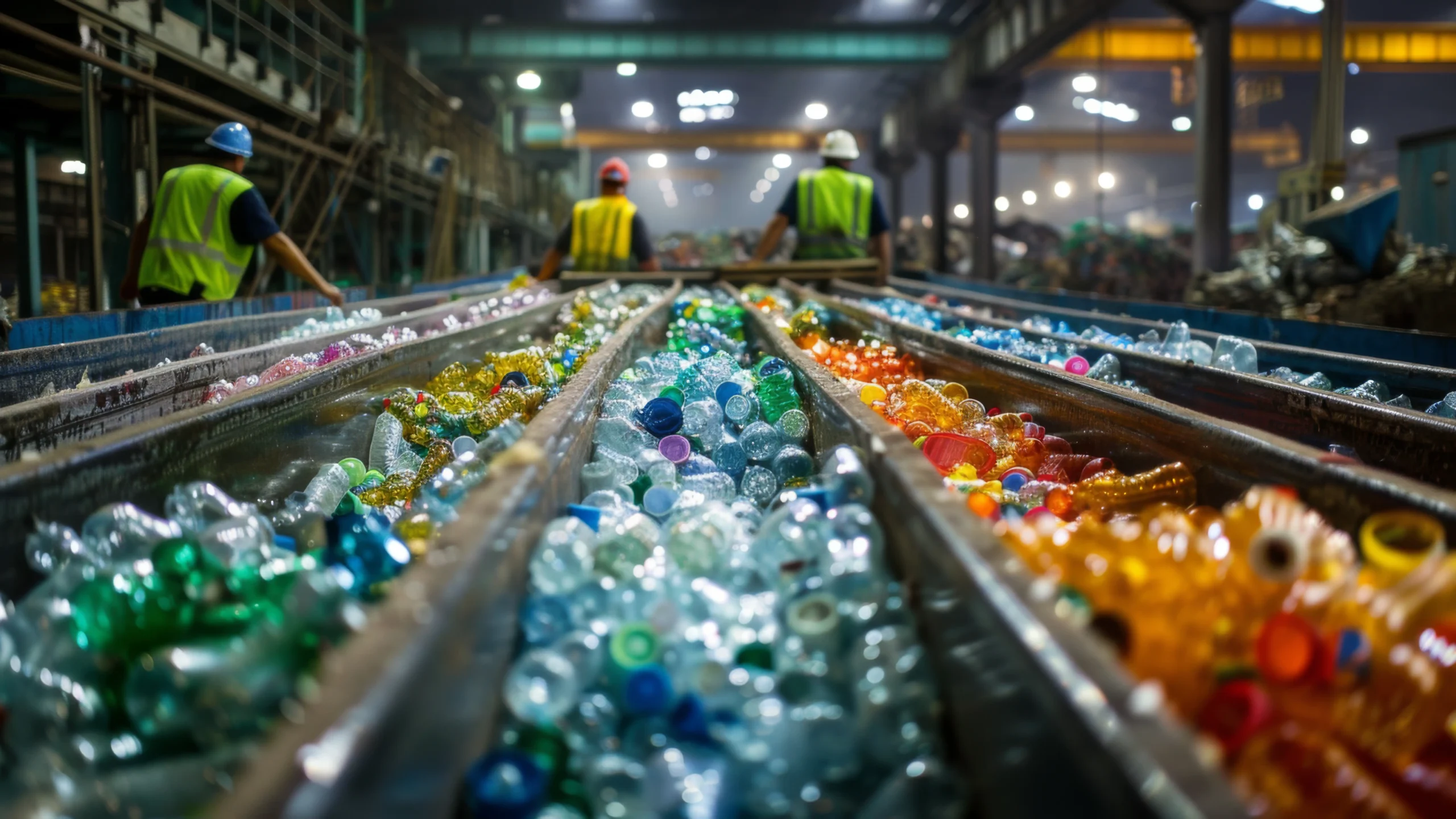
The transition to a circular economy is changing how industries approach plastic waste, raw materials, and production. Instead of relying primarily on virgin fossil resources, companies are increasingly looking for ways to recover materials and return them to productive use.
For the plastics industry, there is no single solution to achieving greater circularity. Mechanical recycling remains an established and important pathway, while chemical recycling can provide an additional option for waste streams that are difficult to process through conventional methods.
As these solutions develop, companies also need reliable ways to track certified materials and substantiate sustainability claims. This is where mass balance and appropriate chain-of-custody systems can play an important role.
Within this context, ISCC PLUS Certification provides a framework for organizations working with recycled, renewable, and alternative feedstocks to demonstrate traceability and support credible claims across the value chain.
What Is Chemical Recycling?
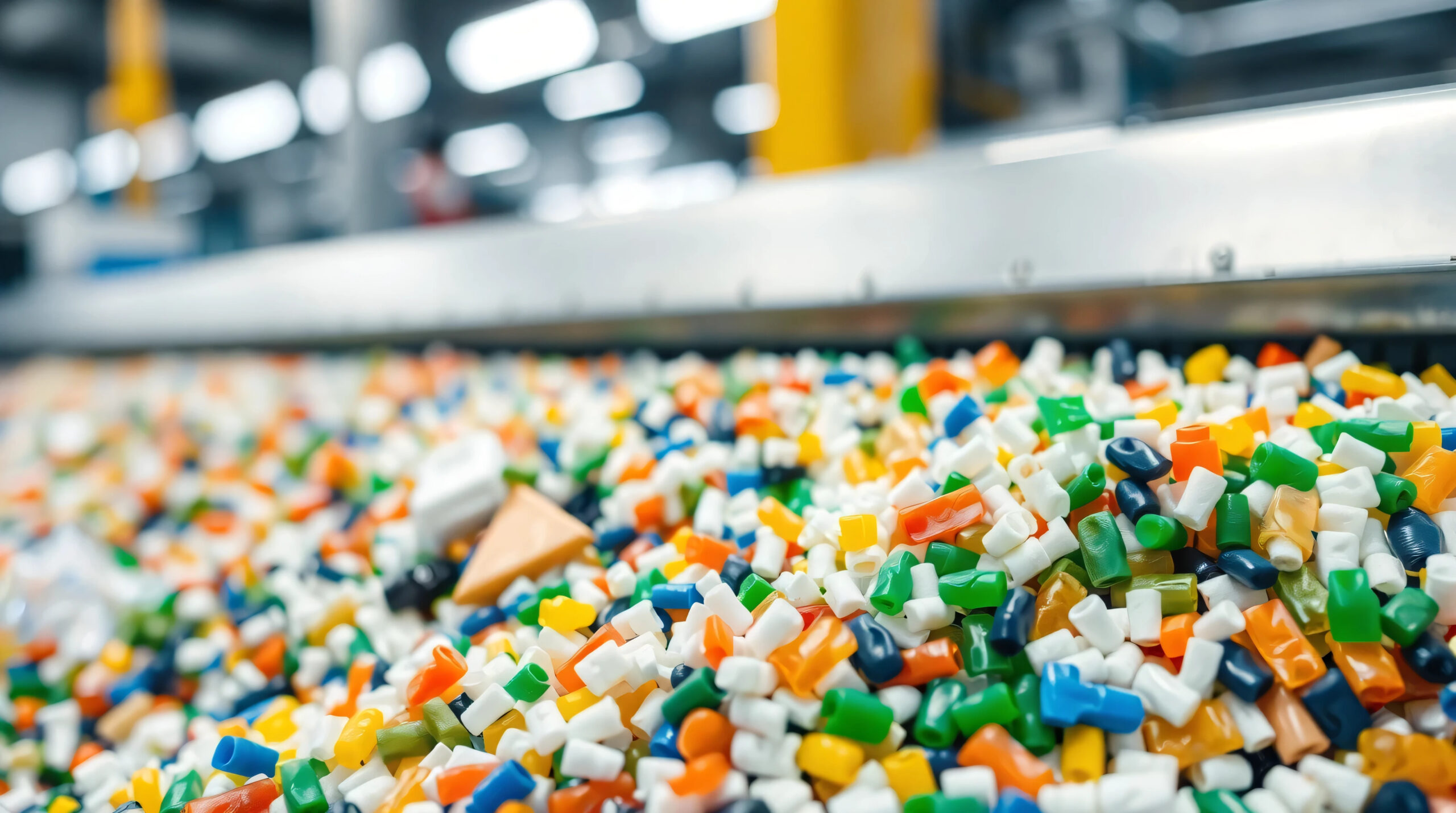
Chemical recycling is a process in which plastic waste is converted into chemical components that can be used again as feedstock for industrial production.
This differs from mechanical recycling, where plastic waste is typically collected, sorted, processed, and converted into recycled material while largely retaining its polymer structure.
Depending on the technology and material involved, chemical recycling can create feedstocks that are suitable for use in existing industrial production systems. This can provide additional opportunities to recover plastic waste that may otherwise be challenging to recycle mechanically.
Chemical recycling is also commonly referred to as advanced recycling.
Its role should be viewed alongside mechanical recycling rather than as a replacement for it. Different waste streams may require different recycling pathways, making a combination of approaches important for developing a more effective circular plastics system.
What Is the Difference Between Chemical and Mechanical Recycling?
Mechanical and chemical recycling use different processes and can address different material challenges.
| Aspect | Mechanical Recycling | Chemical Recycling |
| Process | Physical and mechanical processing | Chemical conversion |
| Material structure | Largely retained | Broken down into chemical components |
| Output | Recycled material or recyclate | Chemical feedstock |
| Typical application | Suitable plastic waste streams | Can address certain more complex waste streams |
| Role in circularity | Established recycling route | Complementary recycling route |
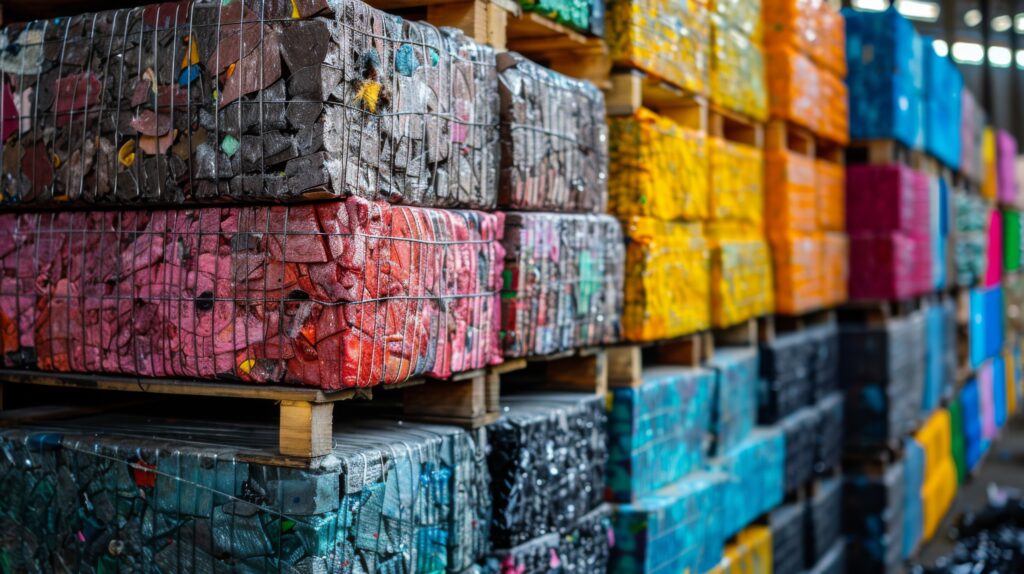
Mechanical recycling remains a preferred option for many suitable plastic waste streams because of its established infrastructure and relatively straightforward processing requirements.
However, materials that are mixed, contaminated, multi-layered, or heavily degraded can present technical challenges.
In such cases, chemical recycling may provide another route for recovering value from plastic waste.
Why Does Chemical Recycling Matter for the Circular Economy?
A circular economy aims to keep resources in use for longer, reduce waste, and limit dependence on virgin resources.
For plastics, this means creating more opportunities to recover materials and return them to manufacturing processes.
Chemical recycling can contribute to this objective by converting certain plastic waste into feedstock that can be used again in industrial production.
Its potential is particularly relevant where conventional recycling methods face limitations related to material quality, composition, or contamination.
However, recycling technology alone is not enough to establish a credible circular value chain. Organizations also need systems that can demonstrate where materials originate, how they are handled, and how sustainability-related information is maintained throughout the supply chain.
How Does Chemical Recycling Complement Mechanical Recycling?
The most effective approach is not necessarily to choose one recycling technology over another.
Mechanical recycling can continue to handle suitable plastic waste streams efficiently, while chemical recycling can provide an alternative for materials that are more difficult to process mechanically.
This complementary approach can broaden the range of plastic waste that can potentially be recovered and reintegrated into industrial supply chains.
As a result, companies can consider different recycling pathways based on the characteristics of their materials, production processes, and intended applications.
What Is Mass Balance?
Mass balance is a chain-of-custody approach that allows certified and non-certified materials to be processed within the same production system while maintaining their distinction through documented and verifiable accounting.
This approach is particularly relevant when recycled feedstocks need to be introduced into existing industrial infrastructure.
For example, chemical recycling feedstocks may enter facilities such as crackers, pipelines, storage systems, or other production infrastructure that also handles conventional materials.
Physically separating every input throughout the entire production process can require additional infrastructure and may not always be practical.
Mass balance provides another way to manage this situation.
Rather than physically separating all materials, organizations track certified inputs and outputs through a controlled accounting system. This allows the certified quantity to be attributed to relevant products while maintaining documentation that supports the associated claim.
How Does the Mass Balance Approach Work?
The concept can be illustrated simply:
Certified Recycled Feedstock + Conventional Feedstock
↓
Existing Production Infrastructure
↓
Controlled Accounting and Traceability
↓
Certified Product Allocation
The materials may be physically mixed during production. However, the certified quantities are tracked through documented records and reconciliation processes.
This distinction is important because mass balance is not simply a method of physically identifying recycled material in a finished product. Instead, it is a chain-of-custody mechanism designed to account for certified material through the relevant supply chain.
For industries operating complex production systems, this can provide a practical way to integrate alternative feedstocks without requiring complete physical segregation.
Related Article : ISCC CORSIA Certification: Strengthening Sustainable Aviation Fuel Supply Chains
What Is the Role of ISCC PLUS?
ISCC PLUS is a voluntary certification system that can be applied across various industries and supply chains involving sustainable and alternative feedstocks.
For organizations working with recycled or renewable materials, certification can help establish a structured system for traceability, chain of custody, and sustainability-related claims.
In chemical recycling value chains, this can be particularly relevant when recycled feedstocks are integrated with conventional materials through a mass balance model.
The certification framework therefore provides a way for organizations to demonstrate that their material flows and related claims are supported by documented processes and appropriate controls.
What Are the Benefits of ISCC PLUS Certification?
Greater Supply Chain Transparency
Certification can help organizations establish clearer processes for tracking certified materials and related information between different supply-chain participants.
More Credible Sustainability Claims
Environmental and circularity claims increasingly need to be supported by reliable data and documentation. A recognized certification framework can provide greater confidence in the underlying chain-of-custody system.
Integration of Alternative Feedstocks
Companies can use appropriate chain-of-custody models to integrate recycled, renewable, or other alternative feedstocks into existing production systems.
Support for Circular Value Chains
By combining traceability, certification, and appropriate material accounting, organizations can strengthen the infrastructure needed to develop more circular supply chains.
Who Should Consider ISCC PLUS Certification?
The relevance of ISCC PLUS Certification depends on an organization’s activities, materials, products, and position within the value chain.
It may be relevant for organizations involved in:
- Chemical and plastics manufacturing
- Recycling and processing
- Production or supply of recycled feedstocks
- Feedstock trading
- Manufacturing using alternative raw materials
- Companies developing circular economy initiatives
The appropriate scope and certification approach should be assessed according to the organization’s actual operations and applicable requirements.
What Should Organizations Prepare for ISCC PLUS Certification?
Preparation should begin with a clear understanding of the organization’s activities and the materials that will fall within the certification scope.
Key areas include:
1. Define the Certification Scope
Identify the relevant sites, activities, products, and materials that will be covered.
2. Identify Relevant Feedstocks
Determine which recycled, renewable, or alternative materials are being sourced and used within the organization.
3. Establish a Chain-of-Custody System
Select and implement the appropriate chain-of-custody model based on the organization’s operations.
Where applicable, a mass balance approach can be used to manage certified and conventional inputs within the same production system.
4. Strengthen Traceability and Records
Ensure that material quantities, transactions, inputs, outputs, and relevant sustainability information can be properly documented and traced.
5. Review Internal Processes
Organizations should evaluate whether their operational controls and documentation are consistent with the applicable certification requirements.
6. Prepare for the Certification Audit
Before an independent audit, organizations should review their systems, records, and implementation to identify areas that may require further attention.
Why Is Mass Balance Important for Circular Value Chains?
Scaling the circular economy requires practical ways to introduce recycled and alternative feedstocks into existing industrial systems.
In complex manufacturing environments, physically separating every type of feedstock may not always be technically or economically feasible.
A mass balance chain of custody can provide a structured alternative by allowing materials to be processed together while maintaining certified quantities through controlled accounting and documentation.
For chemical recycling value chains, this approach can help connect recycled feedstock with established industrial infrastructure while supporting greater transparency around certified material claims.
Ultimately, the combination of suitable recycling technologies, robust traceability, and credible certification can help organizations move from individual recycling initiatives toward more structured circular value chains.
Preparing for ISCC PLUS Certification?
Is your organization working with recycled or alternative feedstocks and looking to strengthen its chain of custody, traceability, and sustainability claims?
CBQA Global can support organizations in understanding their certification requirements, defining the appropriate scope, and preparing for the certification process.
Speak with CBQA Global’s Sustainability team to discuss ISCC PLUS Certification, Mass Balance Certification, and the certification requirements relevant to your organization.
Email: marketing@cbqaglobal.com
WhatsApp: 08118468777
Reference
Source: ISCC System. (2026). Why Chemical Recycling Matters for the Circular Economy. 27 January 2026.