ISCC PLUS: Enabling Sustainable and Circular Material Supply Chains
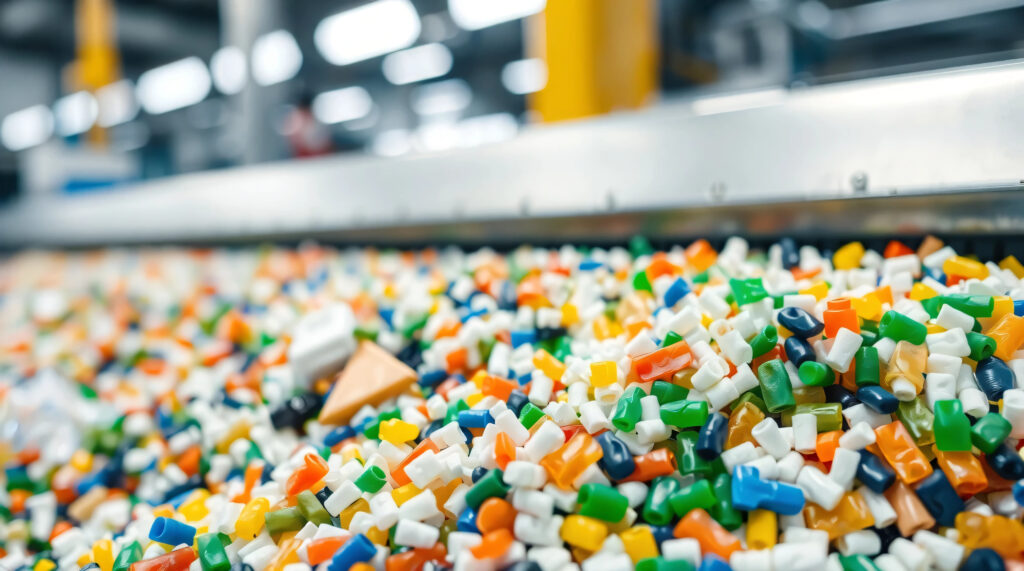
The transition toward a more sustainable economy is changing how companies source, process, manufacture, and market raw materials. For industries such as chemicals, plastics, packaging, textiles, personal care, and consumer goods, companies are increasingly adopting bio-based, recycled, circular, and other alternative feedstocks. At the same time, they need to maintain traceability and support credible sustainability […]
ISCC CORSIA: Understanding Sustainable Aviation Fuel Certification for International Aviation

Supporting Sustainability, Traceability, and Lifecycle GHG Assurance Across the CORSIA Eligible Fuel Supply Chain The aviation industry faces growing pressure to reduce greenhouse gas (GHG) emissions while maintaining reliable international connectivity. Sustainable Aviation Fuel (SAF) is one option for reducing aviation’s lifecycle emissions. However, demonstrating sustainability requires more than identifying a fuel as renewable. Organizations […]
DRAM and LCAM: From Mitigation Action Planning to Verified Emission Reductions

Taking climate change mitigation action involves more than simply stating that a project can reduce emissions. Companies need to answer two important questions: what will be done to reduce emissions, and how much emission reduction has actually been achieved once the project is implemented? Under Indonesia’s Greenhouse Gas Emission Reduction Certification Scheme (SPEI), two key […]
ISO 14064-2: Measuring Emission Reductions from Mitigation Actions
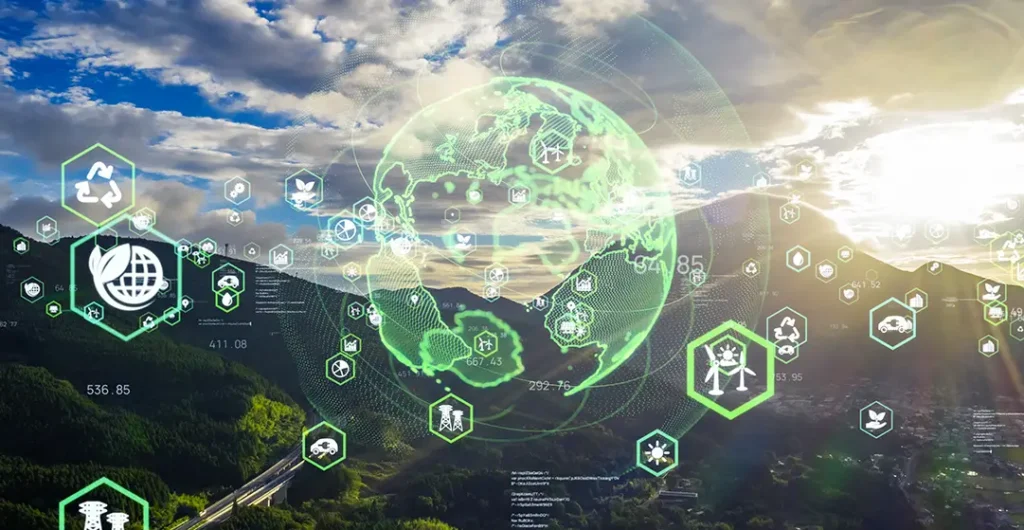
After an organization knows how much GHG emissions it generates, the next question is: “How much emissions have we successfully reduced through an action or project?” This question takes us from emissions management at the organizational level to managing emission reductions at the project or mitigation action level. This is where ISO 14064-2 plays an […]
PTBAE-PU: Managing Emissions through Emission Caps and Carbon Trading
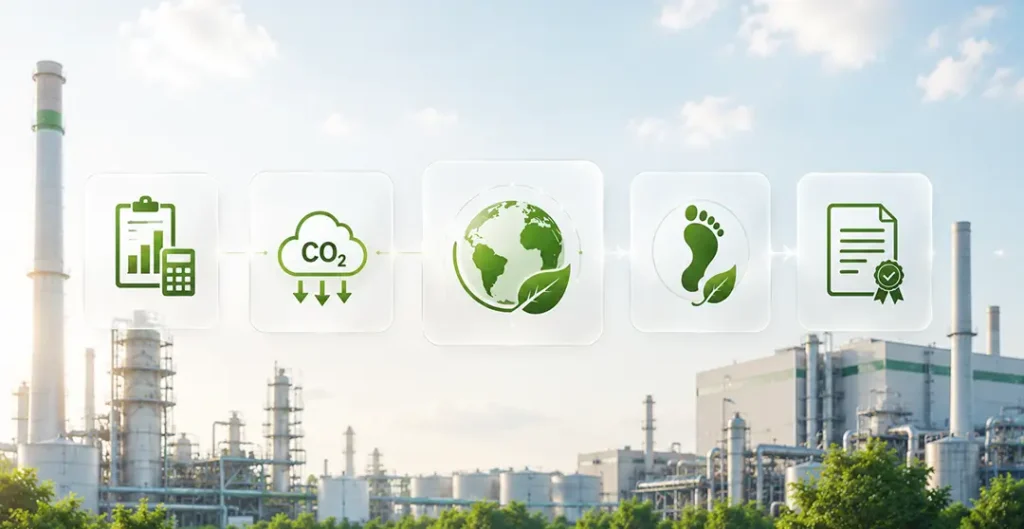
Climate change encourages governments and businesses to not only measure Greenhouse Gas (GHG) Emissions, but also control the amount of emissions generated by business activities. In Indonesia, one of the instruments under the Carbon Economic Value (NEK) framework is the Technical Approval for Emission Caps for Business Actors (PTBAE-PU). PTBAE-PU establishes an emission cap for […]
Greenhouse Gases : Understanding GHG Emissions, Carbon Footprint, and Emission Reduction Strategies
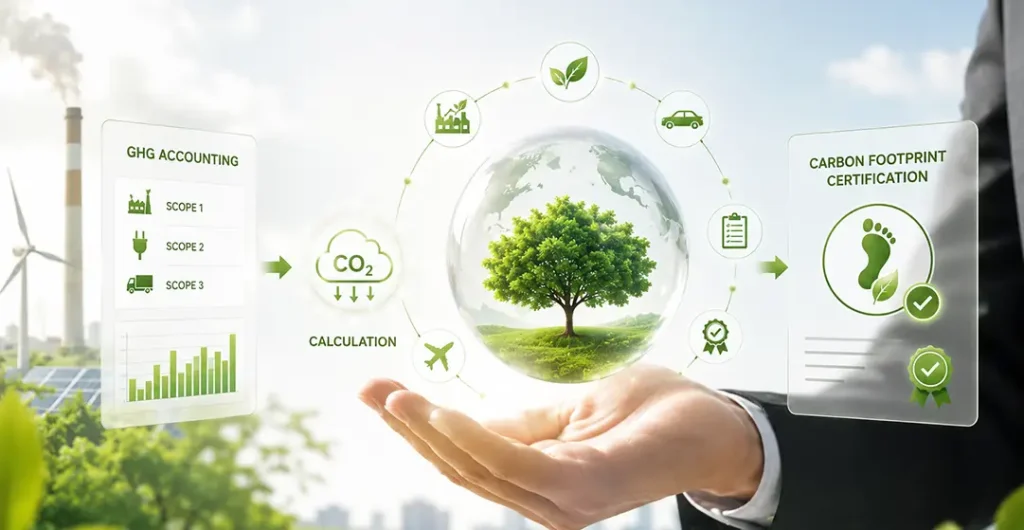
Climate change is increasingly driving organizations to understand and manage their environmental impact. As a result, GHG emissions have become an important part of sustainability management. For companies, managing GHG emissions involves more than calculating the amount of emissions they generate. Instead, emissions data can help organizations develop reduction strategies, improve operational efficiency, meet customer […]
Carbon Market: Strengthening Carbon Credit Integrity and Transparency
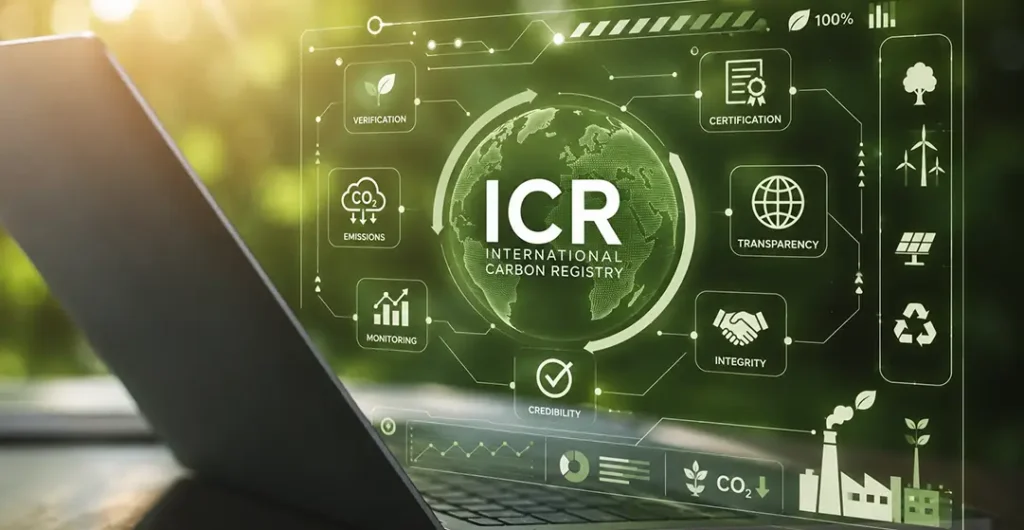
International Carbon Registry (ICR) has introduced a new integrity framework to enhance transparency and provide a clearer understanding of risk in the carbon market. Under this framework, every registered project will receive an independent MSCI Carbon Project Rating and Kita Risk Assessment, with an option for insurance coverage. According to ICR, this approach is the […]
ISCC PLUS Certification: Why Consumers Are Choosing Certified Plastics
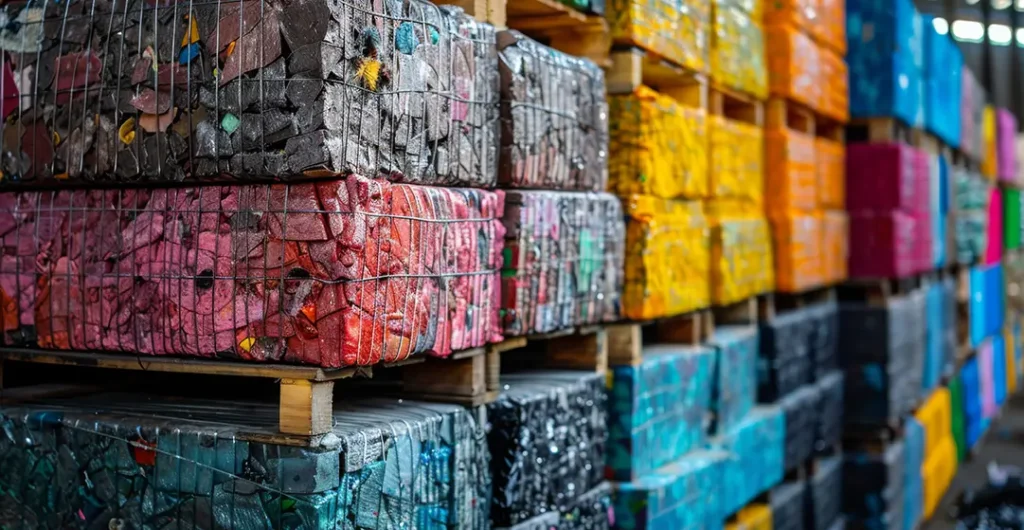
Across the consumer goods industry, more brands now choose materials they can trace and verify. Consumers also pay greater attention to material sources and production methods. This shift is especially visible in products for children. Trust, safety, quality, and environmental responsibility matter greatly in this market. The toy sector provides a clear example of this […]
CBQA Global Participates as Speaker and Moderator at Mining Sustainability Forum 2026
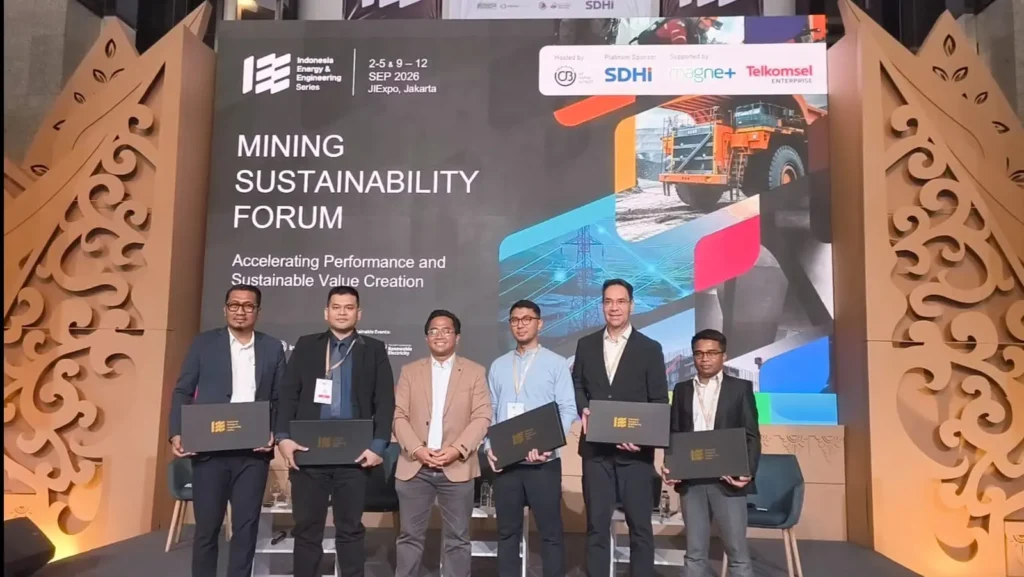
Driving Sustainable Mining Performance Through Data, Verification, and Certification Jakarta, September 10, 2026 | CBQA Global participated as a speaker and moderator at Mining Sustainability Forum 2026, part of the Indonesia Energy & Engineering (IEE) Series, held at the GPN Stage, Jakarta International Expo (JIEXPO) Kemayoran, Jakarta. Under the theme “Accelerating Performance and Sustainable Value […]
Empowering Consumers Directive: What Do the New Green Claims Rules Mean for Companies in the European Union?

Across the European Union, consumers are increasingly seeing products marketed with claims such as “green,” “eco-friendly,” “sustainable,” or “climate neutral.” Environmental claims are now commonly used on product packaging, websites, advertising, product descriptions, and other marketing communications. The growing use of green claims reflects increasing consumer interest in sustainability and transparency. Consumers want to understand […]