
PTBAE-PU: Managing Emissions through Emission Caps and Carbon Trading
Climate change encourages governments and businesses to not only measure Greenhouse Gas (GHG) Emissions, but also control the amount of emissions generated by business activities. In Indonesia, one of the instruments under the Carbon Economic Value (NEK) framework is the Technical Approval for Emission Caps for Business Actors (PTBAE-PU). PTBAE-PU establishes an emission cap for […]
Greenhouse Gases : Understanding GHG Emissions, Carbon Footprint, and Emission Reduction Strategies
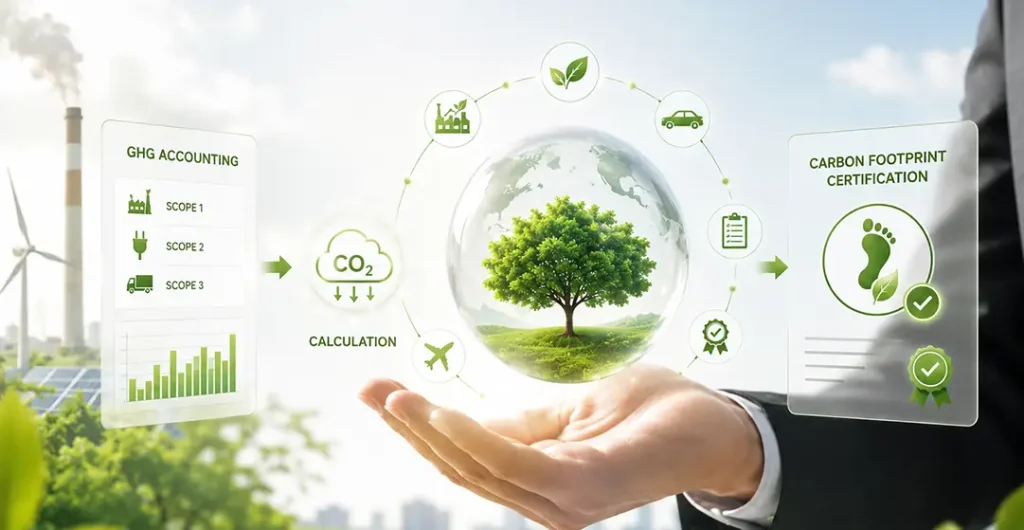
Climate change is increasingly driving organizations to understand and manage their environmental impact. As a result, GHG emissions have become an important part of sustainability management. For companies, managing GHG emissions involves more than calculating the amount of emissions they generate. Instead, emissions data can help organizations develop reduction strategies, improve operational efficiency, meet customer […]
Carbon Market: Strengthening Carbon Credit Integrity and Transparency
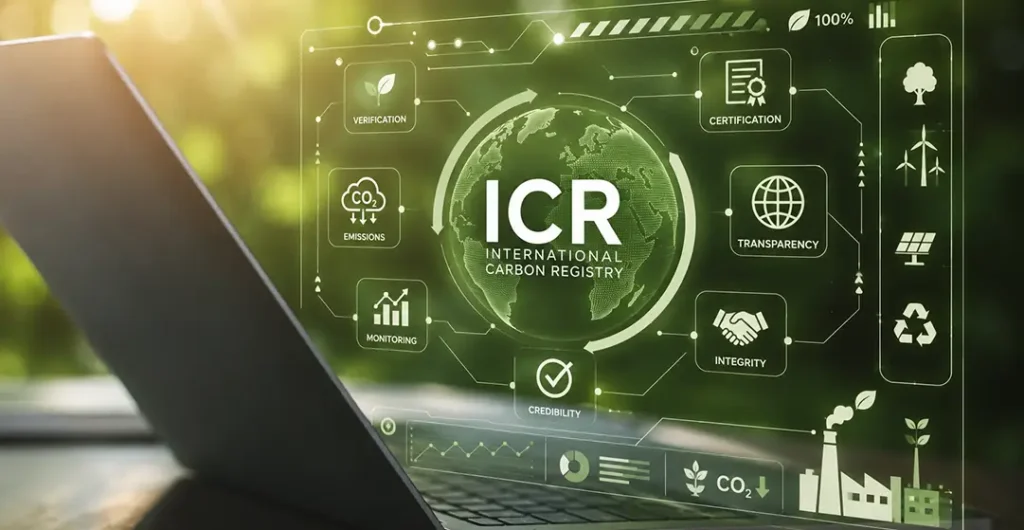
International Carbon Registry (ICR) has introduced a new integrity framework to enhance transparency and provide a clearer understanding of risk in the carbon market. Under this framework, every registered project will receive an independent MSCI Carbon Project Rating and Kita Risk Assessment, with an option for insurance coverage. According to ICR, this approach is the […]
ISCC PLUS Certification: Why Consumers Are Choosing Certified Plastics
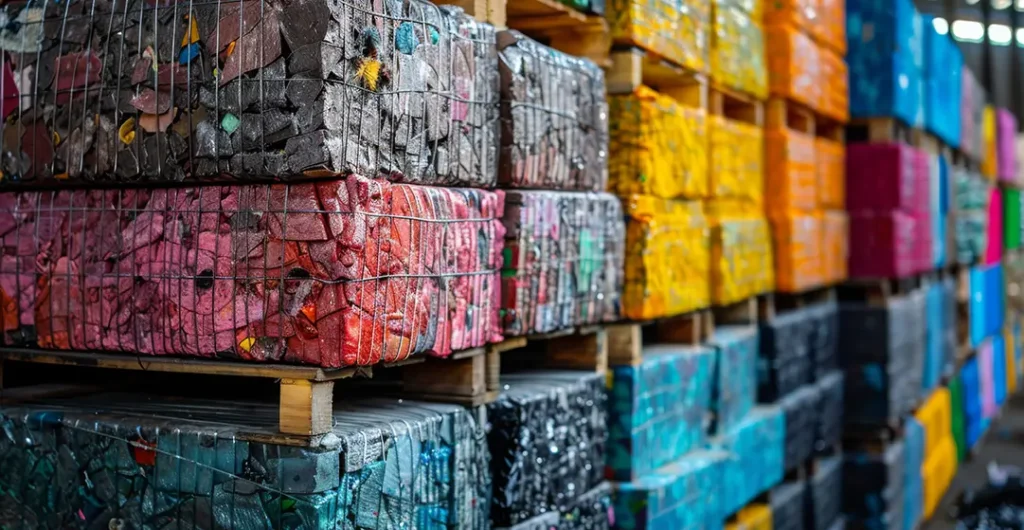
Across the consumer goods industry, more brands now choose materials they can trace and verify. Consumers also pay greater attention to material sources and production methods. This shift is especially visible in products for children. Trust, safety, quality, and environmental responsibility matter greatly in this market. The toy sector provides a clear example of this […]
CBQA Global Participates as Speaker and Moderator at Mining Sustainability Forum 2026
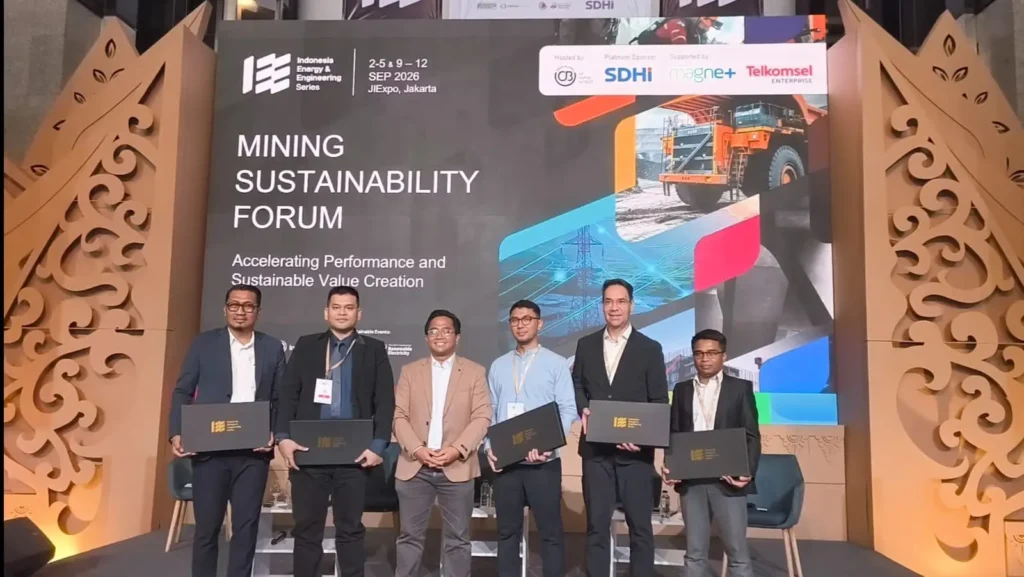
Driving Sustainable Mining Performance Through Data, Verification, and Certification Jakarta, September 10, 2026 | CBQA Global participated as a speaker and moderator at Mining Sustainability Forum 2026, part of the Indonesia Energy & Engineering (IEE) Series, held at the GPN Stage, Jakarta International Expo (JIEXPO) Kemayoran, Jakarta. Under the theme “Accelerating Performance and Sustainable Value […]
Empowering Consumers Directive: What Do the New Green Claims Rules Mean for Companies in the European Union?

Across the European Union, consumers are increasingly seeing products marketed with claims such as “green,” “eco-friendly,” “sustainable,” or “climate neutral.” Environmental claims are now commonly used on product packaging, websites, advertising, product descriptions, and other marketing communications. The growing use of green claims reflects increasing consumer interest in sustainability and transparency. Consumers want to understand […]
Quality Culture & Ethical Behaviour: Emphasis on Implementation of ISO 9001:2026

Quality Culture and Ethical Behaviour are two complementary foundation elements in an ISO 9001-based Quality Management System (QMS), with greater emphasis on their implementation in the new standard version, ISO 9001:2026. The update of the ISO 9001 standard in the 2026 version explicitly strengthens the position of these two elements, which were previously more implicit, […]
ISCC EUDR Certification: Strengthening Deforestation-Free and Traceable Soy Supply Chains

The European Union Deforestation Regulation (EUDR) is changing how companies manage commodities entering the European market. For businesses involved in soy supply chains, the regulation places greater emphasis on traceability, geolocation, legality, and due diligence. As these requirements become increasingly important, companies are evaluating how certification systems can support their supply chain controls and sustainability […]
ISCC PLUS: Chemical Recycling and Mass Balance for a More Circular Plastics Industry
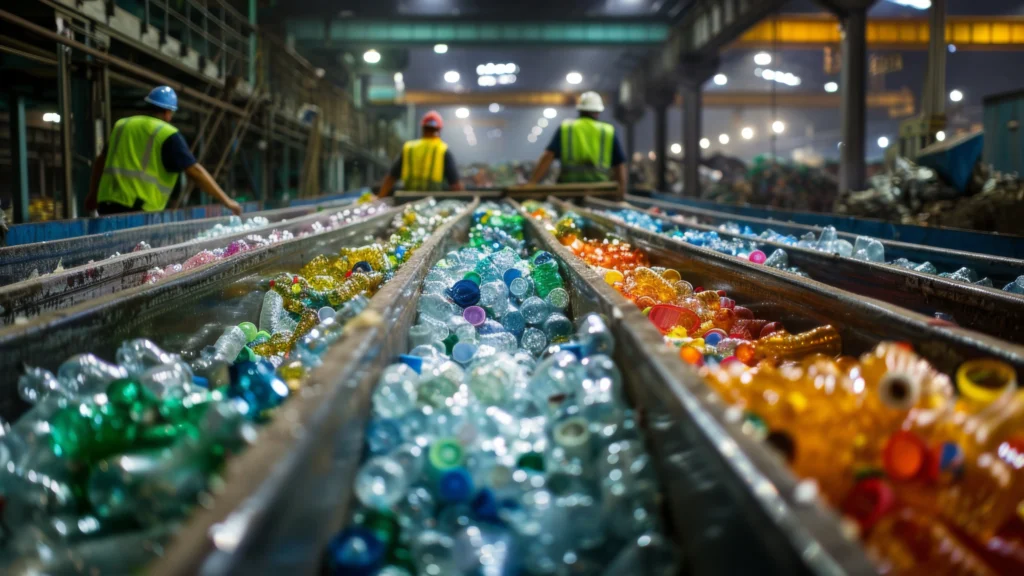
The transition to a circular economy is changing how industries approach plastic waste, raw materials, and production. Instead of relying primarily on virgin fossil resources, companies are increasingly looking for ways to recover materials and return them to productive use. For the plastics industry, there is no single solution to achieving greater circularity. Mechanical recycling […]
ISCC CORSIA Certification: Strengthening Sustainable Aviation Fuel Supply Chains

As the global aviation industry increases its focus on Sustainable Aviation Fuel (SAF), credible certification, traceability, and transparent environmental claims are becoming increasingly important. A recent development in Singapore highlights this direction. Singapore Sustainable Aviation Fuel Company Ltd. (SAFCo) has achieved ISCC CORSIA Certification, supporting its activities within the SAF value chain and contributing to […]